- Home
- About
- Rates
- Calculator
- Loan Programs
- Down Payment Assistance
- FHA Loans
- Conventional Loans
- VA Loans
- Jumbo Loan
- DSCR Loans
- Self-Employed Loans
- Second Mortgages
- P&L Loans
- HELOC Loans
- Bank Statement Loans
- Reno/Rehab Loans
- Reverse Mortgages
- USDA Loans
- Construction Loans
- Debt Consolidations Loan
- Investor Loans
- Equity Builder Rapid Payoff Loan
- Doctor Loans
- Teacher Loans
- Law Enforcement Loans
- Resources
- News
FHA-Insured HECM Loans for Seniors 62+
Unlock Your Home'sValue in Retirement
Access your home equity without monthly mortgage payments. Reverse mortgages allow seniors aged 62 and older to convert home equity into tax-free cash while staying in their home.
- Purchase
- Refinance
- Cash Out
- Consolidation
- Residence
- Investment
No Monthly
Mortgage Payments Required
Stay in
Your Home for Life
Tax-Free
Proceeds Available
FHA-Insured Protection
Non-Recourse Loan
3,500+
Seniors Helped
$1.2B+
Home Equity Accessed
4.9★
Senior Satisfaction
35+ Years
Combined Experience
Why Choose a Reverse Mortgage?
A reverse mortgage (HECM) provides financial flexibility in retirement by converting your home equity into accessible funds without giving up homeownership.

Remain in Your Home
Continue living in your home as long as you maintain property taxes, insurance, and home maintenance. You retain title and ownership.
No Monthly Payments
Unlike traditional mortgages, there are no required monthly mortgage payments. Loan becomes due when you permanently leave the home.
FHA-Insured Protection
HECM loans are federally insured by the FHA, providing security and consumer protections. You'll never owe more than your home's value.
Flexible Payment Options
Choose from lump sum, monthly payments, line of credit, or combination. Access funds when you need them with a growing credit line option.
Non-Recourse Loan
You or your heirs will never owe more than the home's value at the time of sale. FHA insurance covers any shortfall if needed.
Tax-Free Proceeds
Reverse mortgage proceeds are generally tax-free and don't affect Social Security or Medicare benefits. Consult your tax advisor for details.
Reverse Mortgage vs. Traditional Mortgage
Understanding the key differences helps you make an informed decision about accessing your home equity in retirement.
| Feature | Reverse Mortgage (HECM) | Traditional Mortgage |
|---|---|---|
|
Monthly Mortgage Payments
Required payments
|
||
|
Age Requirement
Minimum borrower age
|
62+ years | 18+ years |
|
Income Verification
Documentation required
|
Minimal | Extensive |
|
Property Ownership
You retain title
|
||
|
Credit Score Impact
Effect on qualification
|
Minimal | Significant |
|
Equity Access
Available equity
|
Up to 75% | Up to 80% |
|
FHA Insurance
Government protection
|
||
|
Tax-Free Proceeds
Generally non-taxable
|
* Reverse mortgages require you to maintain property taxes, homeowner's insurance, and home maintenance. Loan becomes due when the borrower permanently leaves the home.
Simple 4-Step Process
Getting a reverse mortgage is straightforward. We guide you through each step with expert support and clear communication.
01
Required Counseling
Complete HUD-approved reverse mortgage counseling session. This mandatory step ensures you understand the loan terms, costs, and alternatives before proceeding.
02
Application & Documentation
Submit your application with basic documentation including proof of age, property ownership, and insurance. We'll also conduct a financial assessment to ensure you can maintain the home.
03
Home Appraisal & Underwriting
An FHA-approved appraiser evaluates your home's value. Our underwriting team reviews your application and determines your maximum loan amount based on age, home value, and current rates.
04
Closing & Fund Disbursement
Sign your loan documents and receive your funds according to your chosen payment plan. You maintain home ownership and can access your equity without monthly mortgage payments.
Typical Timeline: 30-45 Days
From initial counseling to closing, the reverse mortgage process typically takes 30-45 days. We work diligently to ensure a smooth, stress-free experience while meeting all FHA requirements.
Stories from Satisfied Seniors
Real experiences from homeowners who've successfully used reverse mortgages to enhance their retirement.

Robert M.
Age 74
"The reverse mortgage gave us the financial freedom we needed in retirement. No more mortgage payments, and we get to stay in the home we love. The process was explained clearly, and the team made everything so easy."

Margaret S.
Age 68
"I was initially skeptical about reverse mortgages, but after the mandatory counseling and working with this team, I realized it was the perfect solution. I'm accessing my home's equity while maintaining full ownership. It's been life-changing."
Frequently Asked Questions
Get clear answers to common questions about reverse mortgages and HECM loans.
A Home Equity Conversion Mortgage (HECM) is a federally-insured reverse mortgage that allows homeowners aged 62 and older to convert a portion of their home equity into cash. Unlike a traditional mortgage, you don't make monthly payments. Instead, the loan is repaid when you permanently leave the home. You retain ownership and can stay in your home as long as you maintain property taxes, insurance, and home maintenance.
To qualify, you must be at least 62 years old, own your home outright or have substantial equity, live in the home as your primary residence, and maintain the property. You'll also need to complete HUD-approved counseling and pass a financial assessment to ensure you can pay property taxes, homeowner's insurance, and maintain the home. All property types including single-family homes, 2-4 unit properties, condos, and manufactured homes may qualify.
The amount depends on several factors: your age (older borrowers qualify for more), your home's appraised value, current interest rates, and the FHA lending limit ($1,149,825 for 2024). Generally, you can access 40-75% of your home's value. The older you are and the more valuable your home, the more you can borrow. We'll provide a free personalized quote showing your maximum available amount.
Yes! You retain full ownership and title to your home. A reverse mortgage is simply a loan secured by your property, just like a traditional mortgage. You can sell your home at any time, and any remaining equity after paying off the loan belongs to you or your heirs. You're responsible for property taxes, insurance, maintenance, and HOA fees if applicable.
No monthly mortgage payments are required with a reverse mortgage. However, you must continue paying property taxes, homeowner's insurance, and maintain your home. You also need to pay any HOA fees if applicable. The loan balance grows over time as interest accrues, and the full amount becomes due when you permanently leave the home.
When you permanently leave the home (due to passing away, moving to assisted living for 12+ consecutive months, or selling), the loan becomes due. Your heirs have several options: pay off the loan and keep the home, sell the home and use proceeds to pay the loan (keeping any remaining equity), or hand the home to the lender with no further obligation. Because it's a non-recourse loan, you or your heirs never owe more than the home's value.
You have flexible options: (1) Lump sum - receive all proceeds at closing at a fixed interest rate, (2) Monthly payments - receive equal monthly payments for a set period or for life, (3) Line of credit - access funds as needed with a growing available balance, or (4) Combination - mix of the above options. Most borrowers choose the line of credit option for maximum flexibility.
Generally, no. Reverse mortgage proceeds are considered loan advances, not income, so they're typically tax-free. They also don't affect Social Security or Medicare benefits in most cases. However, the interest you pay on the loan is not tax-deductible until you actually pay it (usually when the loan is paid off). Consult a tax advisor about your specific situation.
Before getting a reverse mortgage, you must complete a counseling session with a HUD-approved counselor. This typically costs $125-200 and can be done in person or by phone. The counselor will explain how reverse mortgages work, review alternatives, discuss costs, and ensure you understand the obligations. This is a consumer protection designed to help you make an informed decision.
Costs include: origination fee (up to $6,000), FHA mortgage insurance premium (2% upfront plus 0.5% annually), third-party closing costs (appraisal, title insurance, recording fees), and counseling fee. Many of these costs can be financed into the loan. While reverse mortgages have higher upfront costs than traditional mortgages, there are no monthly payment requirements, which many seniors find worthwhile for accessing their equity.
Still have questions about reverse mortgages?
Call us at (916) 232 3040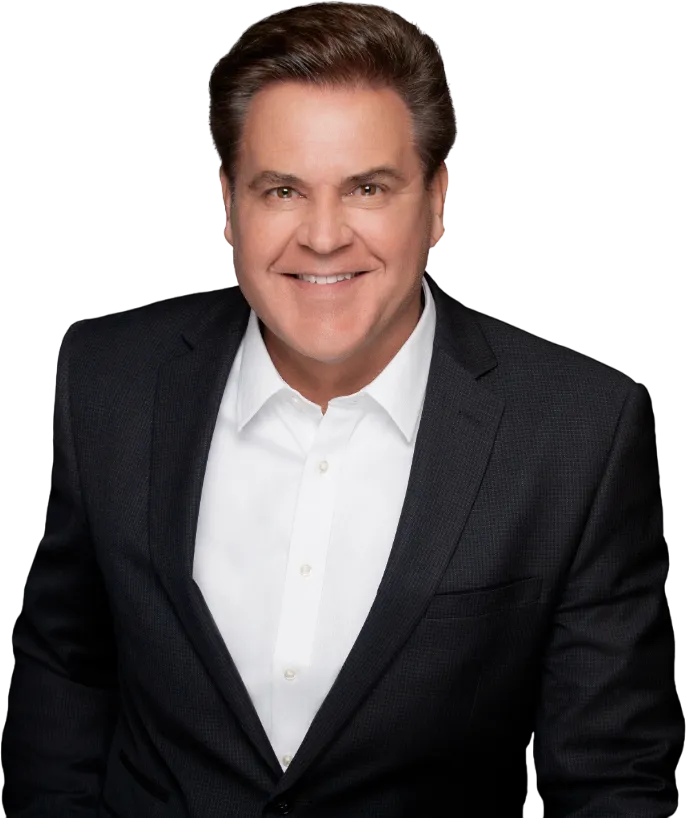

Ready to Access Your Home Equity?
Take the first step toward financial freedom in retirement. Our reverse mortgage specialists will provide a free consultation and personalized quote with no obligation.
30-45 Days
Average Process Time
35+ Years
Combined Mortgage Experience
3,500+
Seniors Successfully Helped
Reverse Mortgage
- Purchase
- Refinance
- Cash Out
- Consolidation
- Residence
- Investment
You can use Reverse Mortgage Loans for the financing purposes of PURCHASE, REFINANCE, CASH-OUT, DEBT-CONSOLIDATION, RENOVATION, REHAB, REMODEL, GROUND UP CONSTRUCTION for both your primary residence and for rental investment property.
Senior Homeowner Solutions
Specialized home loans for homeowners 62 and older that convert home equity into cash with no monthly mortgage payments required.
Key Features:
No monthly payments
Age 62+ eligible
Tax-free proceeds

Reverse Mortgage Benefits
Reverse mortgages offer numerous advantages for homeowners age 62 and older looking to access their home equity without selling their home or taking on monthly mortgage payments.

Monthly Mortgage Payments
Eliminate your monthly mortgage payments for as long as you live in your home. This frees up cash flow that can be used for healthcare, daily expenses, home improvements, or other retirement needs. You're still responsible for property taxes, homeowners insurance, and home maintenance.

Maintain Home Ownership
You retain full title and ownership of your home with a reverse mortgage. You can live in your home as long as you wish, provided you continue to pay property taxes, insurance, and maintain the home according to FHA requirements. The home remains yours, not the lender's.

Tax-Free Proceeds
The funds you receive are considered loan advances, not income, making them tax-free. This can provide significant financial advantages compared to taxable retirement account withdrawals. However, it's important to consult with a tax professional regarding your specific financial situation.

FHA Insurance Protection
HECM reverse mortgages are insured by the Federal Housing Administration, providing important safeguards for borrowers. This insurance guarantees you'll receive promised loan advances and ensures you'll never owe more than the home's value when the loan becomes due.

Flexible Payment Options
Choose how to receive your funds based on your financial needs: a lump sum at closing, monthly payments for a set term or life, a line of credit that grows over time, or a combination of these options. The line of credit option provides a growing reserve you can tap as needed.

Non-Recourse Loan
A reverse mortgage is a non-recourse loan, meaning neither you nor your heirs will ever owe more than the home's value when the loan is repaid, even if the loan balance exceeds the home's value. This protection applies regardless of how much you borrow or how long you have the loan.
Documentation You'll Need
The list of documentation items shown below is a good general list. However, based on your borrower profile overlayed with the specific loan program underwriting guidelines, you may need to provide additional information. In some circumstances, you may not need to provide the entire list of items. Speak with Rodney Rose, your trusted loan officer, for your specific documentation needed.
Tax returns - You will need to fill in a Form 4506-T, and provide your tax forms (the last 2 years should suffice).
Pay stubs, W-2s, 1099's, K-1's, or other proof of income -These include your most recent 1 month of pay stubs. If you are self-employed you must provide the two most recent tax returns as well as a year-to-date profit and loss statement. If you file a separate business tax return, you will need to provide the most recent 2 years along with a year-to-date profit and loss statement.
Bank statements and other assets - Lenders need your most recent 2 months bank statements and may request proof of your retirement accounts, assets, as well as other investment accounts.
Credit history and FICO score - Your credit report will be obtained which will provide details of your credit payment history, including any episodes of bankruptcies or foreclosures.
Photo ID - Provide a government issued ID with photo such as a driver's license or passport.
Unlock the Value of Your Home — Live Comfortably in Retirement
Convert your home equity into tax-free cash while keeping full ownership of your home. No monthly mortgage payments required.
The Reverse Mortgage Process
Understanding the steps involved in obtaining a reverse mortgage can help you prepare and set expectations.

Application & Financial Assessment
Complete the loan application and undergo a financial assessment where the lender reviews your credit history, income, and monthly obligations to ensure you can meet property charges and maintenance requirements.

Education & Counseling
Learn about reverse mortgages and complete required HUD-approved counseling with an independent third-party counselor who will explain the costs, financial implications, and alternatives.

Home Appraisal
A FHA-approved appraiser determines your home's value, which helps establish how much you can borrow. The appraisal also confirms your home meets FHA property standards.

Underwriting & Approval
The lender's underwriting team reviews your application, financial assessment, and appraisal to make a final decision on your loan approval and amount.

Closing
Sign final loan documents with a notary or attorney present. There's a three-day right of rescission period during which you can cancel the loan without penalty if you change your mind.

Funding & Disbursement
After the rescission period, the lender pays off any existing mortgage and disburses funds according to your chosen payment plan: lump sum, monthly payments, line of credit, or a combination.
Reverse Mortgage vs. Traditional Options
Compare reverse mortgages with other financial options to determine which best meets your retirement needs.
| Feature | Reverse Mortgage | Home Equity Loan | Cash-Out Refinance | Selling Home |
|---|---|---|---|---|
| Monthly Payment | No payments required | Monthly payments required | Monthly payments required | No payments |
| Credit Requirements | Less stringent | Good credit required | Good credit required | No credit check |
| Income Requirements | Financial assessment only | Income verification required | Income verification required | No income verification |
| Stay in Home | Yes, for life | Yes, if payments made | Yes, if payments made | No, must relocate |
| Repayment Timing | When no longer in home | Immediate monthly payments | Immediate monthly payments | No repayment |
| Impact on Heirs | Repay loan or 95% of home value | Inherit home with remaining debt | Inherit home with remaining debt | No home to inherit |
Eligibility Requirements
To qualify for a reverse mortgage, you'll need to meet these general eligibility requirements.
Home Equity
Typically need 15–20% equity.
Most lenders allow borrowing up to 80–85% of your home’s value, minus your remaining mortgage.
Credit Score
Minimum 620–660 for most lenders.
Higher scores mean better rates and terms.
Debt-to-Income Ratio
DTI should be 43% or lower, including all debt and the max potential HELOC payment.
Income Verification
Stable, reliable income required.
Most lenders want two years of income/employment history.
Financial Assessment
Demonstration of willingness and ability to pay property taxes, insurance, and maintain the home.
In some cases, a Life Expectancy Set-Aside (LESA) may be required to ensure these obligations are met.
Eligible Property Types
Single-family homes, 2-4 unit properties, FHA-approved condominiums, and manufactured homes that meet FHA requirements.
Some property types may have additional eligibility criteria.
Frequently Asked Questions
How does a reverse mortgage work?
A reverse mortgage allows homeowners age 62+ to convert home equity into cash without selling the home or making monthly mortgage payments. The loan is repaid when the last borrower no longer lives in the home. You can receive funds as a lump sum, monthly payments, a line of credit, or a combination of these options. Interest accrues only on the funds you use, and the loan balance grows over time as interest is added to the amount borrowed.
What happens to my reverse mortgage when I die?
When the last borrower passes away, heirs have several options: They can pay off the loan and keep the home (by paying the lesser of the loan balance or 95% of the current appraised value); they can sell the home and use the proceeds to pay off the loan (keeping any excess proceeds); or they can give the home to the lender through a deed in lieu of foreclosure. If the loan balance exceeds the home's value, FHA insurance covers the difference, and neither the borrower's estate nor heirs are responsible for the shortfall.
How much can I borrow with a reverse mortgage?
The amount you can borrow, called the "principal limit," depends on several factors: the age of the youngest borrower or eligible non-borrowing spouse (older borrowers can borrow more); current interest rates (lower rates allow higher loan amounts); and your home's appraised value (up to the FHA lending limit of $1,089,300 as of 2023). Typically, borrowers can access between 40-60% of their home's appraised value.
What are the costs associated with a reverse mortgage?
Reverse mortgage costs include: an FHA mortgage insurance premium (2% of the home's appraised value upfront and 0.5% annually); origination fees (capped at $6,000); third-party closing costs for services like appraisals, title searches, and recording fees; and interest that accrues on the loan balance. Most costs can be financed as part of the loan, reducing out-of-pocket expenses.
Will a reverse mortgage affect my Social Security or Medicare benefits?
Reverse mortgage proceeds generally do not affect Social Security or Medicare benefits because these funds are considered loan advances, not income. However, needs-based benefits like Medicaid or Supplemental Security Income (SSI) could be affected if you keep loan proceeds in your bank account past the month you receive them, as these programs have asset limits. Consult with a benefits specialist before taking a reverse mortgage if you receive needs-based benefits.
Can I lose my home with a reverse mortgage?
You can keep your home with a reverse mortgage as long as you comply with the loan terms, which include: living in the home as your primary residence; keeping the property maintained according to FHA standards; and staying current on property-related expenses like taxes, insurance, and homeowners association fees. If these obligations aren't met, the loan could become due and payable, potentially leading to foreclosure. Lenders must perform a financial assessment to ensure borrowers can meet these obligations.

E Mortgage Capital, Inc. is a full-service mortgage company that offers extensive options for residential mortgages, with quick service and leading rates
Loan
Information
About
Legal
Rodney Rose
NMLS#: 1396861
DRE#: 00853403
E Mortgage Capital, Inc.
NMLS#: 1396861
DRE#: 00853403
Locations
915 Highland Pointe Dr, Roseville, CA 95678, USA
3401 Mallory Ln, Franklin, TN 37067, USA
3750 S Susan Street Santa Ana, CA 92704