- Home
- About
- Rates
- Calculator
- Loan Programs
- Down Payment Assistance
- FHA Loans
- Conventional Loans
- VA Loans
- Jumbo Loan
- DSCR Loans
- Self-Employed Loans
- Second Mortgages
- P&L Loans
- HELOC Loans
- Bank Statement Loans
- Reno/Rehab Loans
- Reverse Mortgages
- USDA Loans
- Construction Loans
- Debt Consolidations Loan
- Investor Loans
- Equity Builder Rapid Payoff Loan
- Doctor Loans
- Teacher Loans
- Law Enforcement Loans
- Resources
- News
Down Payment Assistance
- Purchase
Multiple programs available. Some programs are for both first-time buyers as well as repeat-buyers without income or location restrictions. Assistance can be utilized for closing costs as well as for down payment. You can get DOWN PAYMENT ASSISTANCE even if you have enough of your own money and just choose not to use it.
Make Homeownership Possible
DOWN PAYMENT Assistance can be used as the minimum required down payment for FHA or Conventional mortgage loans. Depending on the Down Payment Assistance program and assistance amount, the down payment assistance funds can also be used for closing costs.
Home prices keep rising which makes the down payment amount needed increase too. If you can afford to make the payment, DOWN PAYMENT ASSISTANCE could be the key to your new home.
There are many programs available. The DOWN PAYMENT ASSISTANCE programs range from fall into 3 categories of Grant, Repayable, or Forgivable with interest rates from 0% to market rates over a variety of amortization schedules.
Find out how you can get up to $100,000 for your down payment and closing costs today.
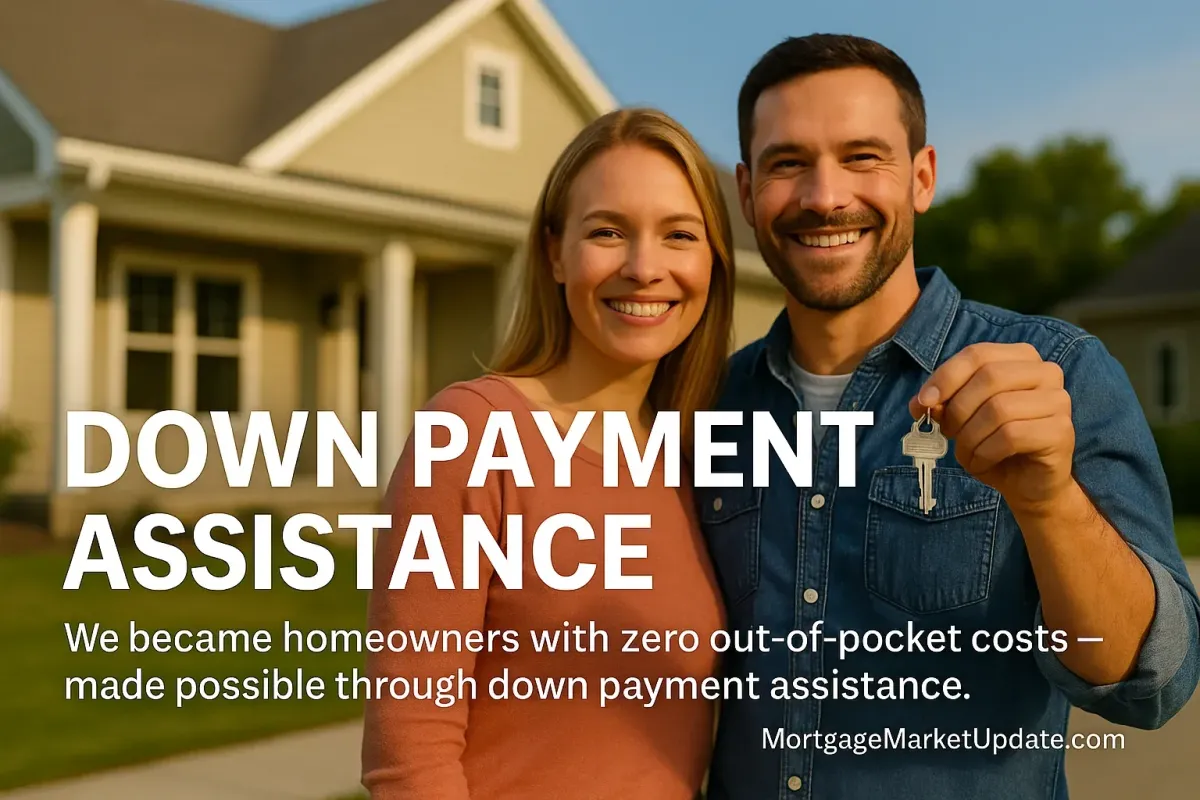
What is Down Payment Assistance?
Down Payment Assistance (DPA) programs help homebuyers with the funds needed for a down payment and closing costs—two of the biggest hurdles to homeownership.

Financial Support
DPA programs provide financial assistance ranging from $5,000 to $100,000 or more depending on your location and program eligibility. This money can be used for the down payment and closing costs.

Various Assistance Types
Assistance can come in various forms, including grants, forgivable loans, deferred payment loans, or low-interest loans. Many programs offer terms that don’t require monthly repayment.

Program Flexibility
Programs are available nationwide through state and local governments, nonprofit organizations, and some private institutions. Each has its own requirements and benefits tailored to specific homebuyer needs.
Why Down Payment Assistance Matters
For many Americans, saving enough for a down payment is the single biggest barrier to homeownership. Research shows that it takes the average renter approximately 6.5 years to save enough from their own funds for a down payment on a median-priced home.
DPA helps bridge this gap, making homeownership possible much sooner. With DPA, qualified buyers can purchase a home with little to no money down, allowing them to build equity faster rather than continuing to pay rent.
Eligibility Requirements
While requirements vary by program, most Down Payment Assistance programs share these common eligibility criteria:

First-Time Homebuyer Status - Not Required
Many programs require you to be a first-time homebuyer, defined as someone who has not owned a home in the past three years. There are many Down Payment Assistance programs available for repeat buyers.
Income Limits - No Income Limits
Most programs are designed to help low to moderate-income households and have maximum income limits based on your area’s median income. However, there are many Down Payment Assistance programs with no income limits.
Credit Score Requirement
While requirements vary by program, with some eligibility requires a minimum credit score of 600 or higher.
Home Purchase Price Limits - Not Necessarily
Some programs limit the purchase price of the home to ensure assistance goes to modest, reasonably-priced homes. However, there are programs that do not have a purchase price limit.
Homebuyer Education
Many programs require completion of a homebuyer education course to ensure you’re prepared for homeownership.
Primary Residence Requirement
There are some programs that will allow for you to purchase a duplex and count the rent on the other side towards your qualifying income.
Documentation You'll Need
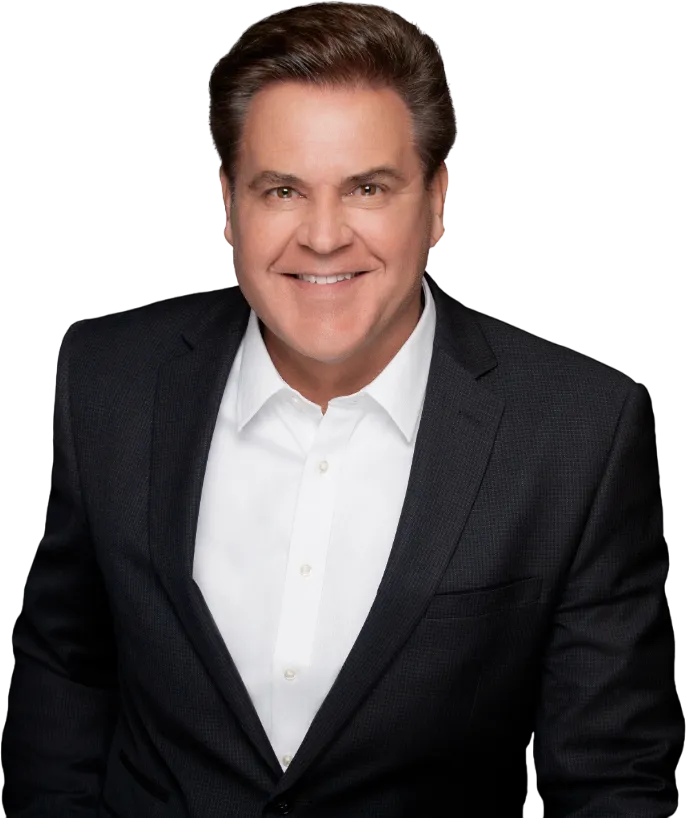
The list of documentation items shown below is a good general list. However, based on your borrower profile overlayed with the specific loan program underwriting guidelines, you may need to provide additional information. In some circumstances, you may not need to provide the entire list of items. Speak with Rodney Rose, your trusted loan officer, for your specific documentation needed.
Tax returns - You will need to fill in a Form 4506-T, and provide your tax forms (the last 2 years should suffice).
Pay stubs, W-2s, 1099's, K-1's, or other proof of income -These include your most recent 1 month of pay stubs. If you are self-employed you must provide the two most recent tax returns as well as a year-to-date profit and loss statement. If you file a separate business tax return, you will need to provide the most recent 2 years along with a year-to-date profit and loss statement.
Bank statements and other assets - Lenders need your most recent 2 months bank statements and may request proof of your retirement accounts, assets, as well as other investment accounts.
Credit history and FICO score - Your credit report will be obtained which will provide details of your credit payment history, including any episodes of bankruptcies or foreclosures.
Gift letters - If any friend or family member wants to help you with the down payment or closing costs by offering you some cash you must provide a “gift letter” which states that the money is a gift and not a loan.
Photo ID - Provide a government issued ID with photo such as a driver's license or passport.
Renting history - Your history as a tenant on rent to guarantee you can pay your rent bills on time.
Co-Borrower or Co-Signor - If a Co-Borrower or Co-Signor is used in qualifying. You will need to provide all of the same items for them also.
Homebuyer education class certificate - You may be required to attend an online homebuyer class and obtain a certificate of completion for eligibility with some programs.
Purchase Agreement - Legally binding contract between a buyer and a seller that outlines the terms and conditions of a property sale.
Down Payment Assistance Program Sources
There are hundreds of Down Payment Assistance programs throughout the country. The Assistance amount and eligibility requirements vary by program. Here’s an overview of the major types of programs available:
Federal Programs
Nationwide assistance programs backed by federal agencies
State & Local Programs
Programs specific to your state or local community
City & County Programs
Many local governments offer down payment assistance programs specifically for their residents.
Community Development Corporations
Nonprofit organizations that often provide down payment assistance in specific neighborhoods.
Professional Programs
Programs for specific occupations or groups
Good Neighbor Next Door
For teachers, firefighters, law enforcement, and EMTs, offering homes at 50% discount in revitalization areas.
Employer Assisted Housing Programs
Some employers offer down payment assistance as an employee benefit.
Union-Sponsored Programs
Some labor unions offer homebuyer assistance programs for their members.
State Housing Finance Agency Programs
Most states offer down payment and closing cost assistance through their Housing Finance Agency.
Program Availability: Down payment assistance programs vary by location, and availability can change based on funding. The best way to find current programs you qualify for is to consult with a mortgage professional who specializes in these programs. They can help you navigate the options and find the best fit for your specific situation.
Make Homeownership Possible with Down Payment Assistance
Start your free consultation today and see how much assistance you qualify for!
Frequently Asked Questions
How much down payment assistance can I receive?
The amount of assistance varies widely based on the program, location, and your eligibility. Some programs offer a few thousand dollars, while others may provide up to $100,000 or more. State and local programs often offer between $5,000 and $10,000, but this can vary significantly.
Do I have to repay down payment assistance?
It depends on the program. Some offer grants that never need to be repaid. Others provide forgivable loans that are forgiven if you stay in the home for a certain period (often 5–10 years). Some programs offer deferred payment loans that must be repaid when you sell, refinance, or pay off your mortgage, and some provide standard loans with monthly payments.
Can I use down payment assistance with any mortgage?
Not always. Many down payment assistance programs are designed to work with specific mortgage products. For example, some may only be available with FHA loans, while others work with conventional, VA, or USDA loans. Your mortgage professional can help match you with compatible programs.
How long does the application process take?
The timeline varies by program, but you should generally allow for extra time compared to a standard mortgage. Some programs can be processed alongside your mortgage in 30–45 days, while others might take additional weeks. Starting the process early is always recommended.
Will down payment assistance affect my offer when buying a home?
It can. Some sellers or agents may have concerns about down payment assistance programs causing delays or complications at closing. Having a pre-approval letter and working with a knowledgeable real estate agent who can educate the seller about the program can help overcome these objections.
Can I combine multiple down payment assistance programs?
Sometimes. Some homebuyers successfully stack multiple forms of assistance, but program rules vary. Some explicitly prohibit combining with other programs, while others may allow it. A mortgage professional experienced with down payment assistance can help you navigate these possibilities.


E Mortgage Capital, Inc. is a full-service mortgage company that offers extensive options for residential mortgages, with quick service and leading rates
Loan
Information
About
Legal
Rodney Rose
NMLS#: 1396861
DRE#: 00853403
E Mortgage Capital, Inc.
NMLS#: 1396861
DRE#: 00853403
Locations
915 Highland Pointe Dr, Roseville, CA 95678, USA
3401 Mallory Ln, Franklin, TN 37067, USA
3750 S Susan Street Santa Ana, CA 92704