

Doctor Loans: Compare Physician Mortgage Options and Requirements
A doctor mortgage is a lender-specific home-loan option for selected physicians, dentists and other eligible medical professionals. Depending on the lender, potential features can include:
- Low or no down payment
- No separate borrower-paid PMI
- Qualification using an eligible future employment contract
- Program-specific student-loan treatment
- Higher loan amounts
- Fixed- or adjustable-rate options
- Principal-residence financing for residents, fellows and new attendings
A medical degree or license does not guarantee approval, 100% financing, no PMI, a particular rate or a specific loan amount.
Eligibility and terms vary by lender, profession, employment, student-loan payment, credit, down payment, reserves, property and state. Compare doctor loans with conventional, FHA, VA and jumbo financing.
Doctor Loan Qualification Snapshot
Profession
Potentially eligible under selected programs:
- MD
- DO
- DDS
- DMD
- DPM
- DVM
- OD
- PharmD
- CRNA
- NP
- PA
- Resident
- Fellow
The lender’s approved-profession list controls.
Career Stage
Potentially eligible:
- Resident
- Fellow
- Newly attending physician
- Established employed physician
- Locum tenens physician
- Practice owner
- Dentist
- Other approved clinician
Employment
The lender can use:
- Current fixed salary
- Eligible future employment contract
- Verified base income
- Documented variable income
- Self-employment income
- Program-approved alternative documentation
Student Loans
The lender applies:
- Documented payment
- income-driven payment
- deferred-loan calculation
- fully amortizing payment
- program-specific calculation
Student debt is not automatically ignored.
Down Payment
Selected products may permit:
- Zero down
- Low down payment
- Tiered down payment by loan amount
Closing costs and reserves can still apply.
Mortgage Insurance
Selected doctor loans do not charge separate borrower-paid PMI.
Compare the complete rate and fee structure.
Occupancy
Most doctor-loan benefits focus on:
- Eligible principal residence
Second-home, investment, cash-out and multi-unit eligibility varies.
Final Approval
Requires:
- Credit
- income
- contract
- assets
- debts
- property
- appraisal
- title
- insurance
- underwriting
What Is a Doctor Loan?
A doctor loan is generally a private-lender or portfolio mortgage designed for selected medical professionals.
It is not one standardized:
- Government program
- Fannie Mae program
- Freddie Mac program
- FHA program
- VA program
- Nationwide product

Why Lenders Offer It
Medical careers can involve:
- Long education
- High student debt
- Delayed higher earnings
- Residency or fellowship income
- Relocation
- Future attending contracts
- Limited initial down payment
- Strong documented professional employment
Potential Features
- Low down payment
- No separate PMI
- Future-contract qualification
- Higher loan amount
- portfolio underwriting
- ARM or fixed rate
- student-loan calculation different from another program
Important Tradeoffs
- Higher rate
- more points
- adjustable rate
- greater leverage
- higher reserves
- principal-residence restriction
- profession restriction
- relationship requirement
- limited lender competition
Who May Qualify for a Doctor Loan?
Eligibility varies.
Frequently Eligible Credentials
Selected lenders can include:
- Medical Doctor — MD
- Doctor of Osteopathic Medicine — DO
- Doctor of Dental Surgery — DDS
- Doctor of Dental Medicine — DMD
- Doctor of Podiatric Medicine — DPM
- Doctor of Veterinary Medicine — DVM
- Doctor of Optometry — OD
Sometimes Eligible
Selected programs can include:
- Pharmacist — PharmD
- Certified Registered Nurse Anesthetist — CRNA
- Nurse Practitioner — NP
- Physician Assistant — PA
- Other advanced clinical professionals
Career Stage
Potentially eligible:
- Final-year resident
- Resident
- Fellow
- New attending
- Established attending
- Self-employed doctor
- Practice owner
- Locum tenens physician
Professional Documentation
Potential items:
- Degree
- state license
- residency contract
- fellowship contract
- attending contract
- employer verification
- board status
- credentialing
- hospital privileges
Not Automatic
A profession alone does not determine:
- Credit
- affordable payment
- property value
- title
- cash to close
- final approval
Compare Doctor Loans, Conventional, FHA, VA and Jumbo
| Feature | Doctor Loan | Conventional | FHA | VA if Eligible | Standard Jumbo |
|---|---|---|---|---|---|
| Eligible Borrower | Approved medical profession | Broad eligible borrowers | Broad eligible borrowers | Eligible Veteran/service member/surviving spouse | Broad qualified borrowers |
| Down Payment | Selected programs may allow zero or low down | Selected programs allow 3% or more | FHA minimum and underwriting apply | Potentially zero down with sufficient entitlement and approval | Lender-specific |
| Mortgage Insurance | Selected programs have no separate PMI | PMI commonly applies above 80% LTV | Upfront and annual mortgage insurance | No monthly PMI; funding fee can apply | Lender-specific |
| Future Contract | Lender-specific | Permitted under defined agency rules | Program and lender-specific | Program and lender-specific | Lender-specific |
| Student Loans | Lender-specific | Current agency calculation | FHA calculation | VA calculation | Lender-specific |
| Loan Limit | Lender-specific | 2026 county conforming limit | 2026 FHA county limit | Entitlement, value and lender approval | Private lender-specific |
| Rate Structure | Fixed or ARM | Fixed or ARM | Fixed or ARM under eligible products | Fixed or ARM under eligible products | Fixed or ARM |
| Occupancy | Usually principal residence | Principal, second or investment by program | Principal residence | Principal residence | Program-specific |
| Main Strength | Profession-specific flexibility | Broad competition and standardized options | Low-down-payment government insurance | Strong benefit for eligible military borrowers | Higher balances |
| Main Tradeoff | Pricing and eligibility vary | PMI can apply | Mortgage insurance | Funding fee can apply | More reserves and stricter overlays |
Compare the Same Scenario
Use:
- Same property
- Same loan amount
- Same down payment
- Same term
- Same lock period
- Same points
- Same estimated closing date
Review official Loan Estimates.
Down Payment, PMI and Cash to Close
Down Payment
A doctor loan can use tiered financing.
Illustrative only:
- Higher financing at a lower loan amount
- Larger down payment at a higher loan amount
- Different limits for resident versus attending
- Different maximum for condo or multi-unit property
No Separate PMI
Selected physician products do not charge a separate monthly PMI premium.
The lender can account for risk through:
- Rate
- points
- reserve requirement
- lower LTV
- ARM
- underwriting
Cash to Close
Potential items:
- Down payment
- closing costs
- prepaid interest
- property taxes
- insurance
- escrows
- HOA
- appraisal
- deposit
- points
Reserves
Post-closing reserves can be required in addition to cash to close.
Zero Down Risk
Zero down can preserve savings but creates high leverage.
If the property value falls or the borrower moves early, there may be little equity after selling costs.
How Student Loans Are Treated
Doctor-Loan Treatment
A lender can use:
- Actual documented payment
- income-driven payment
- percentage of balance
- fully amortizing payment
- program-specific payment
- deferment treatment
- exclusion under limited policy
Conventional Fannie Mae Treatment
Current Fannie Mae guidance permits:
- Credit-report payment
- Current statement payment
- Documented actual $0 income-driven payment
- 1% of balance or fully amortizing payment for deferred or forbearance loans when no qualifying payment appears
Questions to Ask
- What monthly student-loan payment will be used?
- Is a $0 IDR payment accepted?
- What happens if the loan is deferred?
- Are private and federal loans treated differently?
- Is an employer payment considered?
- Is a co-signed loan counted?
- Does the calculation change before closing?
Student Debt Remains Owed
A mortgage calculation does not:
- Forgive
- refinance
- defer
- modify
- consolidate
the student loan.
Employment Contracts and Future Income
Current Employment
Potential documents:
- Pay statements
- W-2 forms
- verification of employment
- contract
- start date
- salary
- status
Future Employment
Potential documents:
- Fully executed offer
- non-contingent contract
- employer
- position
- fixed base salary
- start date
- conditions satisfied
- employer confirmation
- license
- reserves
Fannie Mae Future Contract Alternative
Current Fannie Mae guidance permits an eligible fixed-base future employment contract for a one-unit principal-residence purchase under defined conditions.
The start date can be no later than 90 days after the note date under the applicable option, with required financial resources.
Doctor Loan Difference
A portfolio doctor-loan lender may use:
- Different start-date window
- Different reserve calculation
- Different profession list
- different contract conditions
- higher loan amount
No Earning-Potential-Only Approval
The lender must use verifiable current or reasonably expected income.
Residents, Fellows and Newly Attending Physicians
Resident
Potential income:
- Base salary
- call pay
- moonlighting
- stipend
- future attending salary
Fellow
Potential income:
- Fellowship salary
- call pay
- research stipend
- future attending contract
New Attending
Potential documentation:
- Current paystub
- attending contract
- start date
- base salary
- bonus
- RVU compensation
- sign-on bonus
- relocation
Important Distinction
Guaranteed base salary can be treated differently from:
- Bonus
- call
- RVU
- production
- partnership
- profit sharing
Employment Gap
Budget for the gap between:
- Closing
- first payment
- employment start
- first paycheck
Contract Changes
Report:
- Start delay
- compensation change
- employer change
- specialty change
- license issue
- credentialing issue
before closing.
Bonus, Call Pay, RVU, Moonlighting and Locum Income
Bonus
Can require history and trend.
RVU or Production Income
Can fluctuate and may be averaged.
Call Pay
Can be treated as overtime or variable income.
Moonlighting
Can be treated as a second job or self-employment.
Locum Tenens
Can be:
- W-2
- 1099
- LLC
- S corporation
- multiple contracts
Documents
Potential items:
- Pay statements
- W-2
- 1099
- contracts
- tax returns
- bank statements
- P&L
- employer verification
Conservative Qualification
Use eligible documented income—not maximum potential compensation.
Practice Owners and Self-Employed Medical Professionals
A borrower with 25% or more business ownership is generally self-employed under agency guidance.
Potential Documents
- Personal tax returns
- business tax returns
- Schedule K-1
- P&L
- balance sheet
- business bank statements
- ownership
- distributions
- debt schedule
Practice Revenue Is Not Personal Income
The lender evaluates:
- Gross revenue
- expenses
- net income
- add-backs
- ownership share
- distributions
- liquidity
- declining income
- business obligations
New Practice
A newly opened practice can require:
- History in the same field
- one full year of returns under selected rules
- prior earnings
- strong reserves
- business stability
Alternative Documentation
Selected private programs can use:
- Bank statements
- P&L
- asset-based income
Those options can carry different pricing and down-payment requirements.
Credit, DTI, Assets and Reserves
Credit
The lender can review:
- Scores
- mortgage history
- student-loan history
- revolving debt
- installment debt
- collections
- judgments
- bankruptcy
- foreclosure
- inquiries
DTI
The lender can count:
- Proposed housing payment
- student loans
- auto loans
- credit cards
- personal loans
- tax plans
- support obligations
- other mortgages
- business debts
Assets
Potential eligible sources:
- Checking
- savings
- brokerage
- retirement
- gift
- sale proceeds
- verified employer assistance
Reserves
Potential requirements depend on:
- Loan amount
- zero down
- future employment
- property
- credit
- other real estate
- lender
Do Not Use All Savings
Maintain funds for:
- Emergency
- relocation
- repairs
- insurance deductible
- licensing
- job transition
- student-loan changes
Property and Occupancy Requirements
Principal Residence
Most doctor-loan benefits focus on the home the borrower will occupy.
Possible Property Types
- Single-family
- townhome
- eligible condo
- PUD
- selected duplex, triplex or fourplex
- selected new construction
Potential Restrictions
- Investment property
- short-term rental
- condotel
- timeshare
- mixed use
- manufactured home
- non-warrantable condo
- unique property
- excessive acreage
- property needing major repairs
Occupancy Accuracy
Do not classify an investment property as a principal residence.
Multi-Unit
If the borrower occupies one unit, another program may use eligible rental income.
Appraisal
The lender relies on acceptable market value and property condition.
2026 Loan Limits and Jumbo Doctor Loans
Conforming Limits
For 2026:
- One-unit baseline: $832,750
- One-unit high-cost ceiling: $1,249,125
- Special statutory areas have higher limits
Above the Limit
A loan above the county conforming limit is generally:
- Jumbo
- portfolio
- private-bank
- doctor-loan portfolio
Doctor-Loan Maximum
The maximum depends on:
- Lender
- profession
- credit
- down payment
- property
- county
- reserves
- income
Compare Standard Jumbo
A standard jumbo loan can offer:
- Fixed rate
- ARM
- different down payment
- relationship pricing
- broader profession eligibility
- Jumbo mortgage options
- 2026 conforming limits
Rates, ARMs, Points and Five-Year Cost
Rate
Depends on:
- Market
- credit
- LTV
- loan amount
- term
- fixed or ARM
- property
- points
- lender
ARM
Review:
- Initial period
- index
- margin
- first adjustment
- periodic cap
- lifetime cap
- maximum payment
Points
One point equals 1% of the loan amount.
Lender Credit
Can reduce upfront costs in exchange for a higher rate.
Five-Year Cost
Compare:
- Interest
- fees
- points
- PMI or mortgage insurance
- balance reduction
Expected Holding Period
A resident or fellow expecting to move should compare:
- Three-year cost
- five-year cost
- ARM adjustment
- sale costs
- remaining balance
- Compare Loan Estimates
Refinance, Cash-Out and Debt Consolidation
Rate-and-Term Refinance
Can change:
- Rate
- term
- loan type
- mortgage insurance
- payment
Cash-Out Refinance
Can:
- Increase balance
- reduce equity
- replace current rate
- pay debt
- provide cash
Doctor-Loan Refinance
Not every purchase doctor-loan program offers:
- Rate-and-term refinance
- cash out
- no-PMI refinance
- 100% refinance
Debt Consolidation
Converting unsecured debt into a mortgage places the home at risk.
Documents Needed for a Doctor Loan
The exact checklist is lender-specific.
Identity and Credit
Potential items:
- Government ID
- Social Security number
- credit authorization
- address history
- explanation letters
Professional
Potential items:
- Degree
- diploma
- medical license
- dental license
- residency contract
- fellowship contract
- attending contract
- board status
- credentialing
- employer contact
Employment
Potential items:
- Pay statements
- W-2 forms
- employment verification
- contract
- offer letter
- start-date confirmation
- conditions satisfied
Student Loans
Potential items:
- Current statements
- repayment plan
- income-driven payment
- deferment
- forbearance
- private-loan statement
- employer repayment agreement
Assets
Potential items:
- Bank statements
- brokerage
- retirement
- gift documentation
- sale proceeds
- relocation benefit
- sign-on bonus evidence
Self-Employment
Potential items:
- Tax returns
- business returns
- K-1
- P&L
- balance sheet
- business bank statements
- ownership
- debt schedule
Property
Potential items:
- Purchase contract
- appraisal
- insurance
- title
- HOA
- condo documents
- property taxes
Secure Submission
Use the approved secure mortgage portal.
Do not email unencrypted:
- Social Security number
- complete bank account numbers
- tax returns
- medical-license credentials
- student-loan login
- bank passwords
How to Apply for a Doctor Loan?
Confirm Profession Eligibility
Provide:
- Degree
- license
- career stage
- specialty
- employment type
Define the Transaction
Choose:
- Purchase
- rate-and-term refinance
- cash out
- principal residence
- selected second home
Review Employment Timing
Confirm:
- Current employment
- start date
- contract conditions
- first paycheck
- employment gap
Review Student Loans
Obtain:
- Current payment
- repayment plan
- deferment
- statement
- credit-report treatment
Review Credit and Debts
Calculate:
- Housing payment
- student loans
- auto
- cards
- personal loans
- other obligations
Review Assets
Determine:
- Down payment
- closing costs
- prepaid items
- reserves
- emergency savings
Compare Loan Programs
Compare:
- Doctor loan
- conventional
- FHA
- VA if eligible
- jumbo
- assistance programs
Request Same-Scenario Loan Estimates
Use:
- Same loan amount
- same down payment
- same term
- same points
- same lock period
Get Preapproved
The lender reviews borrower documents.
Select a Property
Confirm:
- Occupancy
- type
- units
- condition
- condo eligibility
Appraisal and Title
The lender verifies:
- Value
- condition
- ownership
- liens
- insurance
Final Underwriting
Update:
- Employment
- credit
- assets
- student loans
- contract
- license
Review Closing Disclosure
Review:
- Rate
- APR
- payment
- costs
- cash to close
- ARM
- mortgage insurance
- escrows
Close and Occupy
Follow the occupancy agreement.
Common Doctor Loan Mistakes
Assuming Every Medical Professional Qualifies
Profession lists vary.
Believing Zero Down Means Zero Cash
Closing costs and reserves remain.
Choosing No PMI Without Comparing the Rate
The pricing can be built elsewhere.
Ignoring Conventional 3% Down Options
Conventional may cost less.
Assuming Conventional Cannot Use a Future Contract
Current agency rules can permit one.
Assuming Student Loans Are Ignored
Every lender uses a calculation.
Using Maximum Contract Compensation
Bonus and RVU may need history.
Treating Locum Income as Salary
It may be self-employment.
Ignoring Partnership Buy-In
Future obligations affect cash flow.
Spending All Savings
Zero down does not remove emergency needs.
Buying Too Much Home
Approval is not a comfort budget.
Expecting a 24-Hour Guaranteed Preapproval
Timing depends on documents.
Expecting a 10-Day Guaranteed Closing
Property and underwriting matter.
Ignoring an ARM Adjustment
Review the maximum payment.
Paying Points Without a Holding-Period Analysis
A resident may relocate before break-even.
Assuming Every Doctor Loan Is Fixed Rate
Some are ARMs.
Assuming $2 Million Is Universal
Limits vary.
Buying an Investment Property Under a Principal-Residence Program
Occupancy must be accurate.
Changing Employment Before Closing
Report changes.
Opening New Debt
It can alter approval.
Ignoring Condo Eligibility
The project must qualify.
Relying on an Unverified Testimonial
Review actual Loan Estimates.
Start Your Doctor Loan Review
A personalized review can help determine:
- Profession eligibility
- Resident, fellow or attending qualification
- Employment-contract eligibility
- Start-date and reserve requirements
- Student-loan qualifying payment
- Doctor loan versus conventional
- FHA or VA alternative
- Down payment
- cash to close
- no-PMI pricing
- fixed versus ARM
- 2026 conforming or jumbo status
- loan amount
- credit and DTI
- property eligibility
- documents needed to proceed
Doctor and physician mortgage programs are lender-specific. Eligibility, profession, down payment, loan amount, credit, DTI, student-loan treatment, employment-contract requirements, reserves, mortgage insurance, rate, points, fees, property, occupancy, refinance and availability vary. Zero down, no separate PMI, a future contract, professional license or medical degree does not guarantee approval or lower cost. All loans are subject to borrower, credit, income, asset, debt, property, appraisal, title, insurance and underwriting approval. This information is educational and is not legal, tax, employment, student-loan or financial advice or a commitment to lend. Equal Housing Opportunity.
Frequently Asked Questions
What is a doctor loan?
It is a lender-specific mortgage for selected medical professionals, often designed around high student debt, delayed earnings or future employment.
Is it a government program?
Usually no.
Doctor loans are generally private portfolio, conventional or jumbo products.
Who qualifies?
Eligibility varies by lender.
Common credentials can include MD, DO, DDS and DMD, with selected lenders accepting other professions.
Can residents and fellows qualify?
Potentially.
The lender can use current income, an eligible future contract or another permitted method.
Can I qualify before starting my attending job?
Potentially.
The contract, start date, conditions and reserves must meet the lender’s requirements.
Does conventional financing accept future employment contracts?
Yes under defined current agency requirements for eligible transactions.
Are student loans ignored?
Not universally.
The lender applies a documented qualifying payment.
Can a $0 income-driven student-loan payment be used?
Current Fannie Mae rules permit a documented actual $0 IDR payment under applicable requirements.
Doctor-loan lenders use their own policies.
Is 100% financing available?
Selected programs may permit it.
It is not guaranteed and can be limited by loan amount and borrower profile.
Does zero down mean zero cash to close?
No.
Closing costs, prepaid items and reserves can apply.
Do doctor loans have no PMI?
Selected programs have no separate borrower-paid PMI.
Compare the rate, points and total cost.
Are doctor-loan rates lower?
Not necessarily.
Rates and costs vary by lender and transaction.
Can I use gift funds?
Potentially under selected programs.
Documentation and contribution rules apply.
Is a medical license required?
Some programs accept residents or graduates before full licensure, while others require an active license.
Can dentists qualify?
Often under selected programs.
Verify DDS or DMD eligibility.
Can veterinarians qualify?
Some lenders accept DVM borrowers and others do not.
Can pharmacists, CRNAs, NPs or PAs qualify?
Selected programs include them.
Eligibility is not universal.
Can a self-employed practice owner qualify?
Yes under eligible full-documentation or alternative-documentation programs.
Can I use 1099 or locum income?
Potentially.
The lender must classify and document it properly.
Can I buy a condo?
Potentially.
The condo project and unit must satisfy lender requirements.
Can I buy a duplex or fourplex?
Selected programs allow owner-occupied multi-unit properties.
Confirm before applying.
Can I use a doctor loan for an investment property?
Most profession-specific benefits focus on principal residences.
Use a separate investor program for non-owner-occupied property.
Can I use it for a second home?
Selected lenders may permit it.
Can I refinance?
Selected programs permit rate-and-term or cash-out refinancing.
How much can I borrow?
The maximum depends on lender, county, income, credit, down payment and property.
What are the 2026 conforming limits?
The one-unit baseline limit is $832,750 and the high-cost ceiling is $1,249,125.
County and special-area limits vary.
What credit score is required?
There is no universal score.
Are reserves required?
Potentially.
Requirements often increase for high loan amounts or delayed employment.
How fast can I get preapproved?
Timing depends on complete documentation and lender review.
How fast can I close?
There is no guaranteed timeline.
Is a doctor loan always better than conventional?
No.
Compare down payment, PMI, rate, points, five-year cost and flexibility.
Should an eligible Veteran use a doctor loan or VA loan?
Compare both.
VA financing can provide major benefits for eligible borrowers.
Is final approval guaranteed by my medical contract?
No.
Borrower, property, appraisal, title and underwriting conditions still apply.

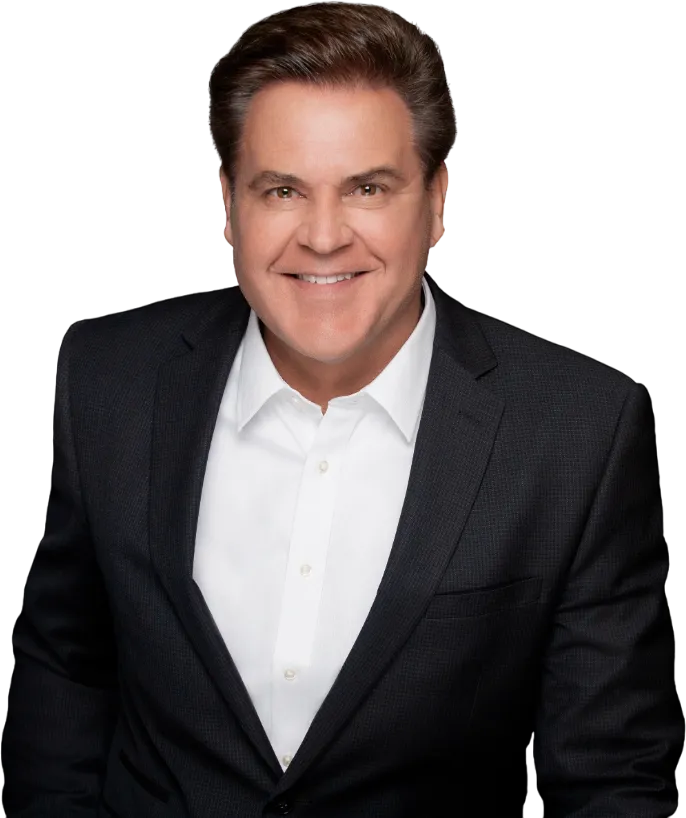
Reviewed by Rodney Rose
Loan Officer / Branch Manager
NMLS #1396861 · DRE #00853403
E Mortgage Capital, Inc. · NMLS #1416824
Rodney Rose helps physicians, dentists, residents, fellows, practice owners and other eligible medical professionals compare doctor loans with conventional, FHA, VA, jumbo and alternative-documentation mortgage options.
Last reviewed: July 25, 2026

- 915 Highland Pointe Dr, Roseville, CA 95678
- 3401 Mallory Ln, Franklin, TN 37067
- 3750 S Susan Street, Santa Ana, Ca. 92704