Renovation Loans in California: Buy and Improve a Home With One Financing Plan
A California homebuyer may find the right location but a house that needs a roof, kitchen, or major systems work. The financing question should come before the offer: can the purchase and approved repairs close under one mortgage, and how much cash might be needed if the finished home does not appraise for the full project cost? A purchase-renovation loan can address a property that needs work before an ordinary mortgage would accept its condition. It also requires a coordinated scope, contractor, value, and payment plan. This guide focuses on that buying decision; the broader renovation and rehab loan overview covers the full program family.
Quick Answer: Yes, an eligible California buyer can potentially combine the purchase and approved improvements in one renovation mortgage. The lender must approve the borrower, property, scope, contractor, appraisal, and final loan calculation. Renovation funds are generally controlled through an escrow and released for approved work, rather than handed over as unrestricted cash. Test both the planned total cost and the as-completed value before relying on a low down-payment estimate.
How One Purchase and Renovation Mortgage Works
At closing, the seller is paid and approved renovation funds are held for release as documented work is completed. An appraisal may value the home as completed under the approved plans. The lender still applies program-specific value, loan-to-value, loan-limit, and underwriting rules.
This can help when a standard purchase mortgage cannot accept the home’s condition at closing. The contractor, scope, schedule, permits, and budget must be ready in time for the purchase contract. Ordinary purchase preapproval does not clear the renovation project.
Match the Program to the Actual Work
Occupancy, scope, qualification, and lender availability drive the choice. The HUD 203(k) program guide separates minor, nonstructural Limited 203(k) work from larger or structural Standard 203(k) work. Conventional paths include HomeStyle and Freddie Mac CHOICERenovation.
Possible path | Initial fit question | Issue to confirm before offering |
|---|---|---|
FHA Limited 203(k) | Is the eligible work minor and nonstructural? | Current rehabilitation-cost cap and lender’s project review. |
FHA Standard 203(k) | Does the work require major or structural rehabilitation? | Consultant, scope, and FHA county-limit fit. |
HomeStyle Renovation | Does conventional underwriting fit the borrower and property? | Eligible budget, as-completed value, and maximum LTV. |
CHOICERenovation | Is a Freddie Mac renovation option available through the lender? | Property, scope, underwriting, and draw administration. |
If the job is effectively a teardown and new build, compare a construction loan instead.
Build a California Budget Before Making an Offer
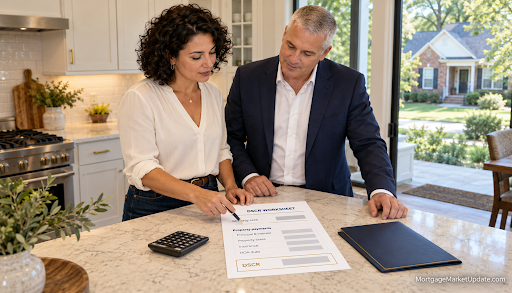
Price the finished project, not only the seller’s asking price. Include the written scope, labor, materials, design, permits, inspections, contingency, and temporary housing. Then test down payment, closing costs, and post-closing cash. Some items may be financeable; others require separate funds.
The California Contractors State License Board’s contract guidance calls for written scope, price, materials, permits, dates, and payment schedule. For most home-improvement contracts, the down payment cannot exceed $1,000 or 10% of the contract price, whichever is less. A rare exception applies when the contractor has a blanket performance and payment bond on file with CSLB; verify that status. A large advance may also conflict with the lender’s draw process. Resolve that mismatch before signing.
Ask who will obtain local permits and whether insurance can cover the property during renovation; either issue can change the closing plan.
Test the Appraisal and Cash Before You Commit
Hypothetical educational example: A $650,000 California purchase plus $80,000 in work, $10,000 in design and permits, and $10,000 in contingency totals $750,000. Assume solely for illustration that this file is otherwise eligible for a HomeStyle loan at 90% LTV and that the lender accepts every listed cost.
For Fannie Mae HomeStyle, purchase LTV uses the lesser of as-completed value or price plus total renovation costs. At a $750,000 completed value, this illustrative 90% LTV ceiling is $675,000, leaving a $75,000 buyer share before closing costs. At a $700,000 value, the ceiling falls to $630,000 and the buyer share rises to $120,000: a $45,000 difference.
These are not a loan quote or minimum down payment. Other program and lender rules could lower the approved amount; some costs may not be financeable. Leave room for a lower appraisal, revised scope, or price negotiation. The mortgage payment calculator estimates a payment, not project approval.
Settle the Timing Before Closing
Before making an offer, ask:
- Does the lender offer a program for this condition and scope?
- Can the contractor deliver a bid, credentials, permit plan, and schedule before the contract deadlines?
- What value and loan calculation leave enough cash for closing, contingency, and housing?
- Can contractor payments follow the lender’s inspection and draw process?
- Do the purchase contract and rate lock allow time for project underwriting?
Compare the Loan Estimate’s rate, closing costs, and rate-lock status alongside the renovation worksheet. The closing-cost calculator is only an early estimate. If you already own the home, a California HELOC home-improvement plan addresses a different financing decision.
Frequently Asked Questions
Can I use one loan if the home needs repairs before move-in?
Potentially. The property, work, contractor, appraisal, and completion plan must fit the selected program. The lender must approve the home in its current condition; a standard purchase preapproval does not clear the renovation project. Ask whether temporary housing is needed.
Does the lender give me the renovation money at closing?
Generally not as unrestricted cash. The lender typically holds approved renovation proceeds and releases them through its draw process as work is documented. Ask who orders inspections, when the contractor is paid, and how change orders or material purchases are handled before signing.
Is the down payment calculated only from the purchase price?
No universal purchase-price-only formula applies. HomeStyle purchase LTV uses the lesser of the as-completed value or price plus total renovation costs; FHA 203(k) has a different maximum-mortgage calculation. Ask the lender for a program-specific cash-to-close worksheet that also shows any nonfinanceable costs and contingency funding.
What if the completed appraisal is lower than the project budget?
The supported loan can shrink even if the scope and price stay the same. You may need more eligible cash, a smaller approved scope, or a renegotiated price. Keep appraisal and financing deadlines realistic until the lender finishes its as-completed appraisal and loan calculation.
A one-loan purchase-and-improve plan depends on an eligible scope, an as-completed value that supports the requested loan, and a contractor who can meet California contract rules and lender draw requirements. The biggest cash surprise is often the gap between project cost and supported value, not the advertised down-payment percentage. Before a firm offer, request a purchase-renovation qualification review using the property address, preliminary bid, permit plan, and available cash. That review can show whether the single-closing approach is workable or the purchase plan needs to change.
Consumer disclosure: This article is educational, not a loan approval, commitment to lend, legal advice, or a guarantee of any rate, payment, or program availability. Terms and eligibility depend on the borrower, property, project, lender or investor requirements, and program rules in effect when you apply.

WRITTEN BY
Rodney Rose
NMLS #1396861
Rodney Rose is a California mortgage professional dedicated to helping families navigate home financing with confidence. Through clear guidance on mortgage programs, loan options, and down payment assistance, Rodney Rose helps homebuyers make informed decisions and move closer to achieving their homeownership goals.

Guidance on Mortgage Payments

Loan Options & Down Payment Help

Helping Families Achive Homeownership